Most people measure the frame, because the frame is what they can see. The reason that is the wrong number is not visible from the doorstep: the frame leaves with the door. Everything else on this page follows from that one fact, whether somebody else is fitting it or you are.
The frame is not part of the house
A front door and its frame are one unit. The frame is fixed into the brickwork with screws or fixing lugs and sealed round the outside, and when the door goes, the frame goes with it. What is left is a hole in a wall: brick either side, a lintel across the top holding the wall above it up, and a sill or a step at the bottom.
That hole is what the new door is made to. It is why every instruction on this site says brick to brick, and why a number taken off the old frame comes out forty to sixty millimetres short. A door made to that number does not need adjusting. It needs sending back, and a composite door cannot be sent back.
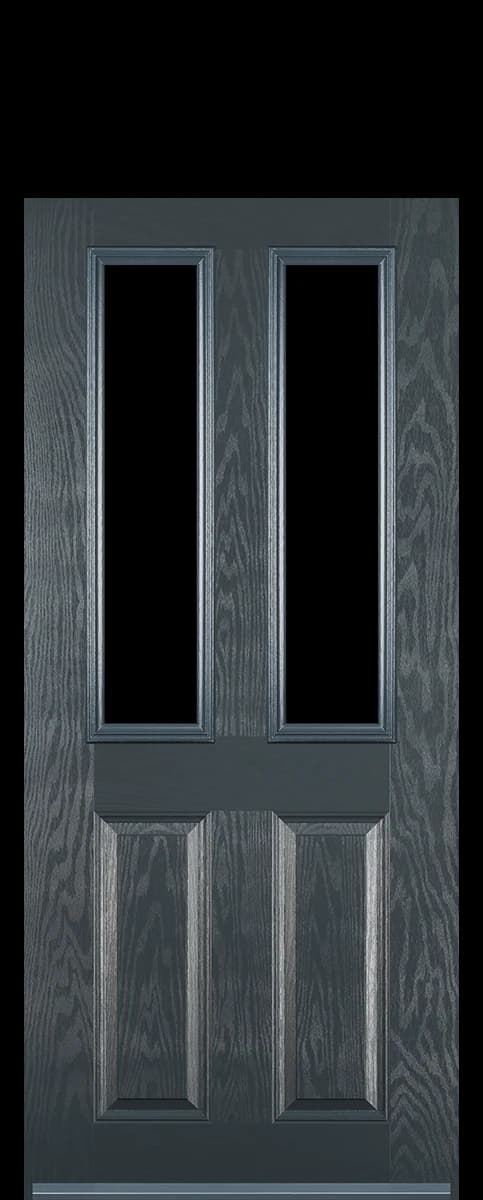
- 1. As it standsThe door you can see, hung in a frame you can also see. Measure that frame and you have measured something that is about to leave.
- 2. Frame and all, outThe frame comes out with the door. What is left is the brickwork, and that is the number the new door is made to.
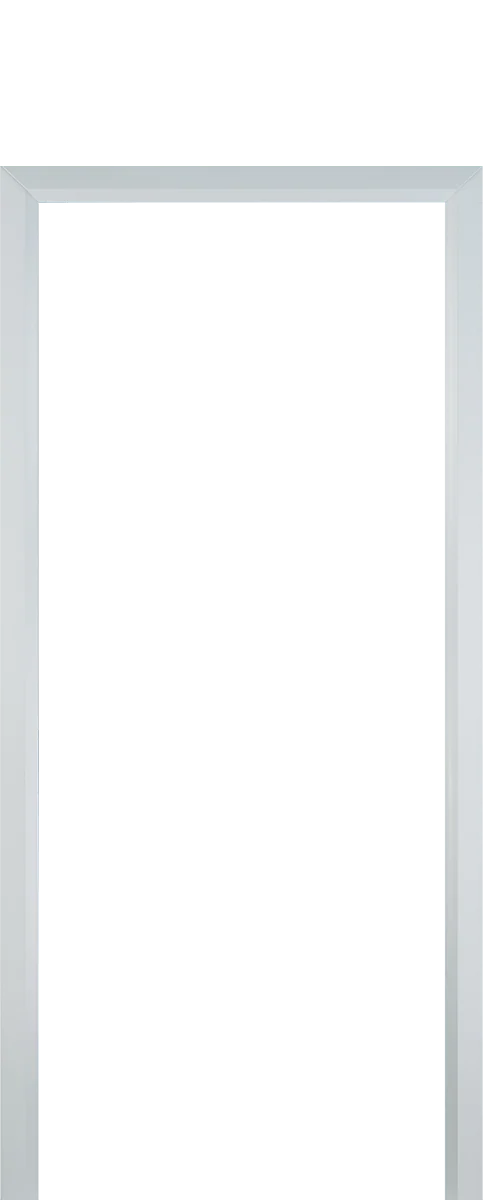
- 3. The new one, packedA frame made to the opening, then shimmed until it is plumb and square. Nothing is forced, and the gap that is left gets sealed.
Why nobody trusts one measurement
Openings are rarely square. A Victorian terrace has settled for a hundred and thirty years, a nineteen-sixties opening was often formed in a hurry, and a previous fitter may have packed a frame to hide the difference rather than fix it. So the width at the top and the width at the bottom can differ by ten millimetres or more without anything being wrong with the house.
The door has to fit the narrowest point. Take the width in three places and the height on both sides, keep all six numbers, and work from the smallest. If they are within a few millimetres of each other the opening is straightforward. If they are not, that is worth knowing before anything is ordered rather than on the morning it arrives.
Taking the old one out
The leaf comes off the hinges first, which makes the frame light enough to handle. The frame is then cut through on both sides and levered out of the opening, and the old sealant is cut away from the brick.
This is the point at which a job stops being predictable. A lintel can be cracked, a timber sub-frame can be rotten behind a bead of silicone that has been hiding it for years, and on a house with a porch there is sometimes no lintel at all. None of that is visible with the old door in place, which is the honest reason a survey is worth the ninety-five pounds rather than a sales reason.
Packed and scribed, not forced
The new frame is made a little smaller than the opening on purpose, so there is room to true it up. It goes in dry first and is checked with a level on both jambs and across the head, then packers go in behind the fixing points until it is plumb and square regardless of what the brickwork is doing.
Only then is it fixed. A frame screwed tight to an out-of-square opening is pulled out of square itself, and the first thing that tells you is a door that catches on the latch in warm weather. The gap left round the outside is sealed, and inside it is finished against the plaster.
Before anybody leaves
The lock is thrown on every point with the door closed, not just the handle lifted. A multipoint lock that engages at the top and not the bottom will still feel locked from the inside. The hinges are adjusted so the gap round the leaf is even, the drainage slots in the sill are checked for the packaging that gets left in them, and the keys are handed over with the door tested in front of you.
On a fitted order the old door, the old frame and the packaging leave with us. On supply only they are yours, and the local tip will take a composite door as general waste.
Which of these is yours
If we are fitting it, all of the above is ours, and so is the measurement. That is the actual difference between the two routes and it is worth being plain about: the door costs the same either way.
If you are fitting it, or your joiner is, the door is made to the numbers you give us. We will query anything that looks unusual, because a figure that is out by fifty millimetres usually looks out by fifty millimetres from here. We cannot query a number that is merely wrong.
Still unsure? Send a photograph of the opening with your question.
Ask us