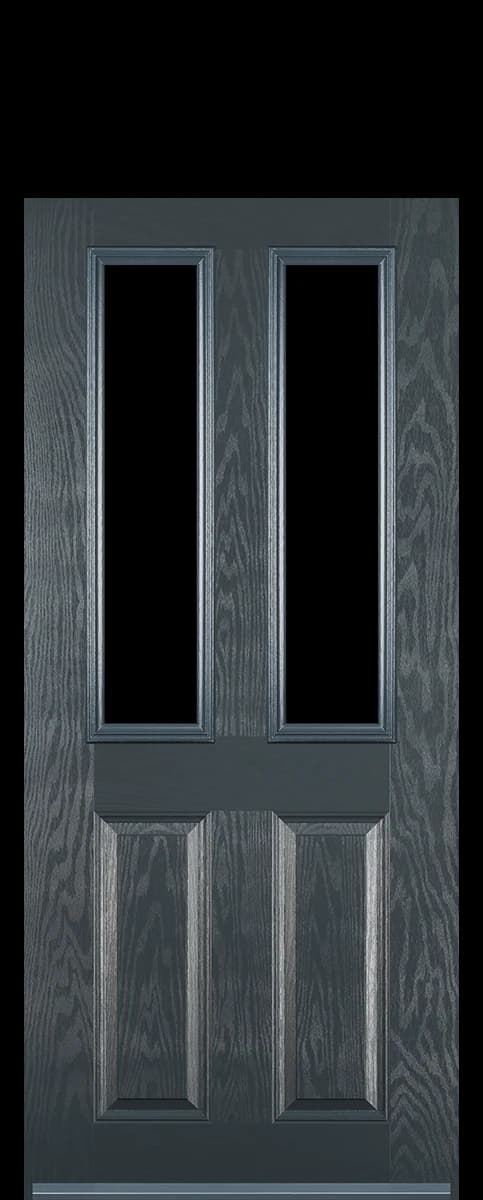
Glass is the decision that changes the hall most and gets the least thought. A solid door makes a dark hall darker. A mostly glazed one puts light into it and puts your hall on display to anybody at the gate.
Start with which way the door faces
A north-facing door gets no direct sun at any point in the day, so a hall behind it relies on borrowed light. That is the case for more glass, and for a clear or lightly obscured pattern rather than a heavy one.
A south or west-facing door has the opposite problem. Plenty of light, and in high summer a lot of heat and glare through a large glazed panel. Something obscure or leaded breaks that up without losing the brightness.
Obscure glass hides shapes, not presence
It is worth being clear about what obscure glazing does. It stops somebody reading the post on your hall table. It does not stop them seeing that a light is on or that somebody has just walked past.
If the door opens straight onto a pavement, that matters more than it does on a house set back behind a garden. Look at where somebody actually stands when they are at your door and decide from there.
- ClearYou can see in, and out.
- ContoraLight through, shapes broken up.
- CotswoldA hall reads as light and movement.
- Charcoal SticksPrivate, and still not dark inside.
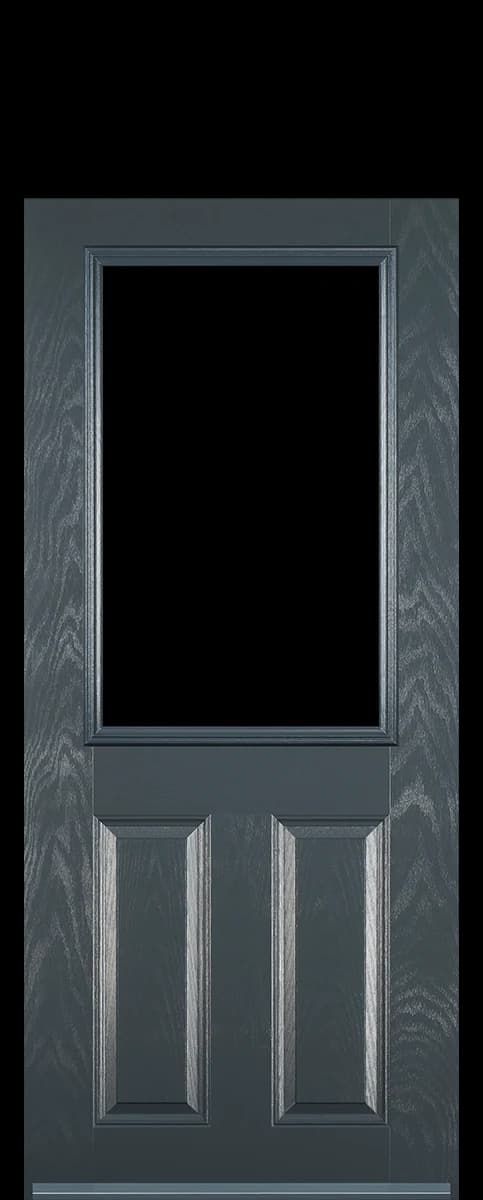

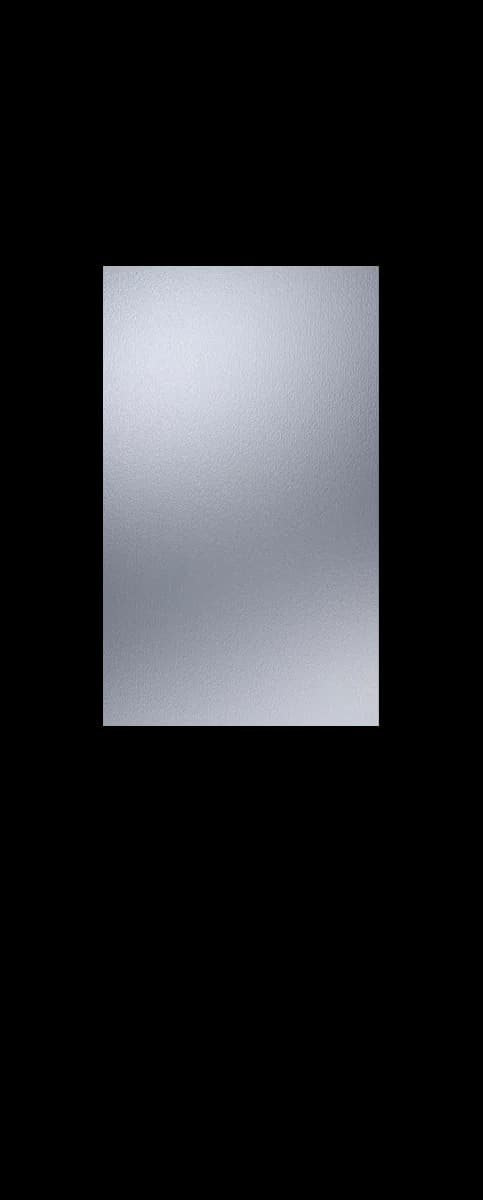
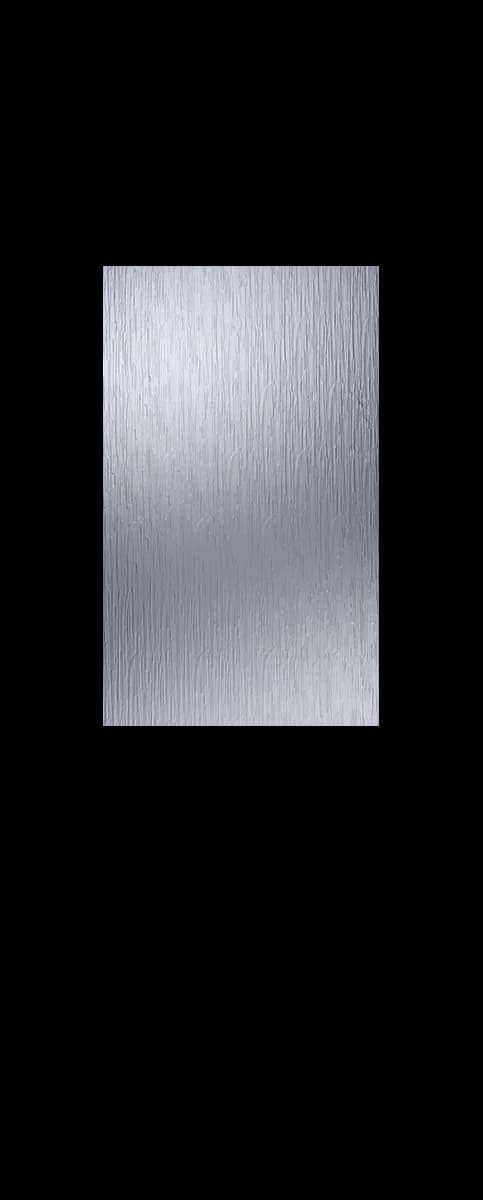
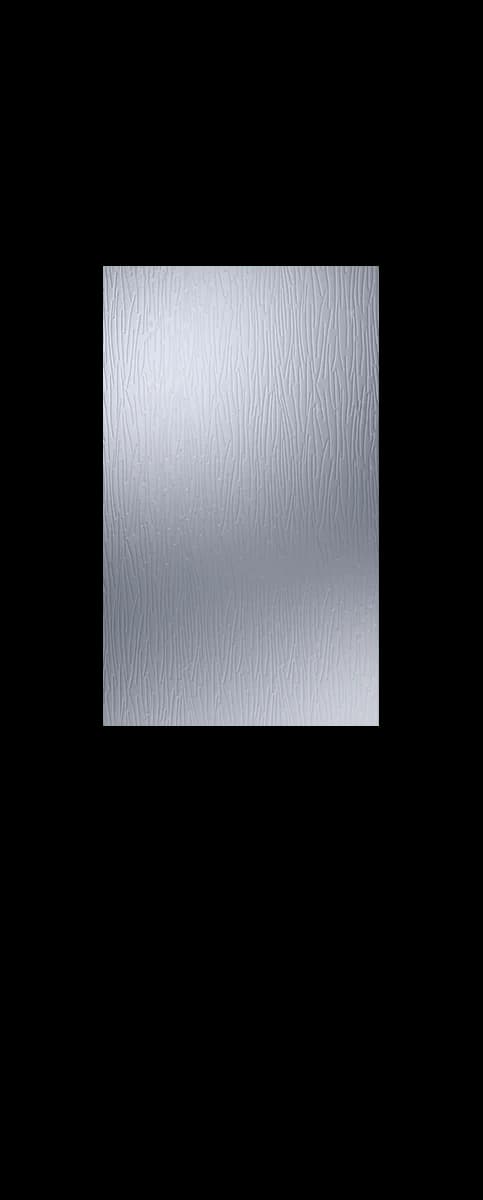
Panel size against panel pattern
A long narrow light down one side lets in nearly as much daylight as a large square one, because height does more than width for the depth a hall is lit to. It is also less exposed, which is why the contemporary doors are drawn that way.
Leaded and decorative patterns cost more than plain obscure glass and suit older houses. On a flat contemporary door they tend to look applied rather than designed, and plain obscure is usually the better answer.
What we can and cannot price yet
One glass design is costed properly and the rest are quoted. That is not evasion, it is that a plain sheet and a hand-leaded panel do not cost the same and we are not going to pretend they do by putting an average against both.
Choose the door and the colour first, tell us the glass you like, and the quote comes back with a real number against it.
Still unsure? Send a photograph of the opening with your question.
Ask us