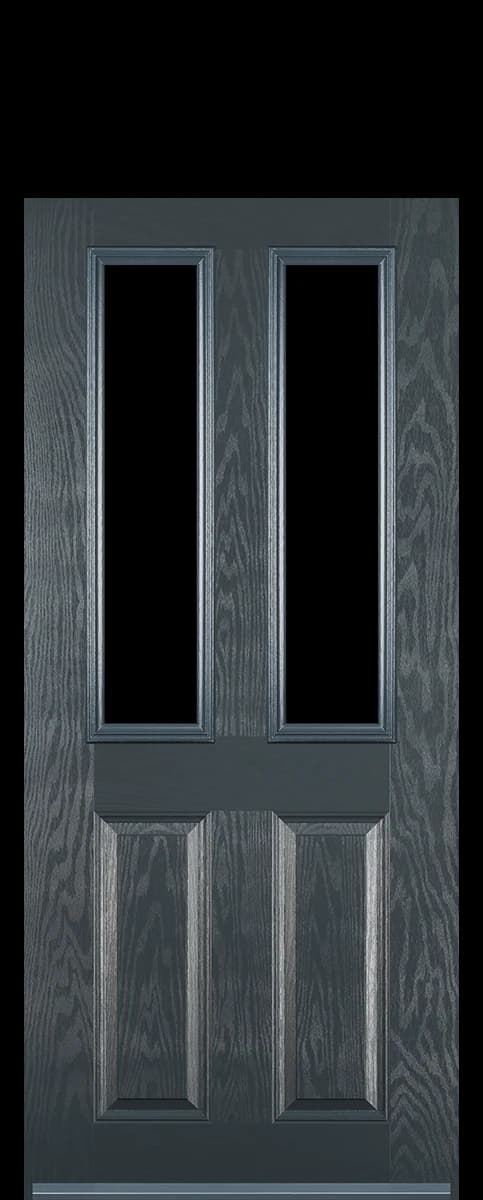
Most of the doors that come back to us were measured once, quickly, with a tape held at chest height. It is an easy mistake and an expensive one, because a door that is 4mm out at the head cannot be fixed by hanging it more carefully.
Measure the opening, not the old door
The door currently hanging there may have been trimmed by somebody who had run out of patience. What matters is the lining: the timber frame the door closes against.
Take the width at the top, the middle and the bottom, and write all three down. Do the same for the height, on the hinge side, the middle and the latch side. If your six numbers are within 2mm of each other, the opening is square enough to take a standard leaf.
What to do when they are not
Older houses settle, and a 10mm difference between top and bottom is common in anything Victorian. You have two choices, and the right one depends on how much you like the architrave.
The cheaper route is to order to the smallest measurement and accept a slightly larger gap at the wider end. The better route is a made-to-survey leaf cut to the actual shape of the opening, which costs more and takes two weeks longer.
- Under 3mm out of square: a standard door will hang fine.
- 3mm to 8mm: standard door, but expect a visible gap on one side.
- Over 8mm: made to survey, or reline the opening first.
The measurement people forget
Check the floor. Run the tape from the underside of the head down to the finished floor on both sides of the opening, and note what the floor is going to be when the job is done rather than what it is now.
A 20mm engineered board going down after the doors arrive will turn a 6mm threshold gap into nothing at all, and a door that catches on the floor is the single most common thing we get called back for.
If you would rather not
Send us a photograph of the opening taken square on, with a tape measure held across the width, and we will tell you what we can see. It is not a survey and we will not pretend it is, but it catches the obvious problems before anybody spends money.
Still unsure? Send a photograph of the opening with your question.
Ask us